
The smart-city digital twin: one drive, every department served
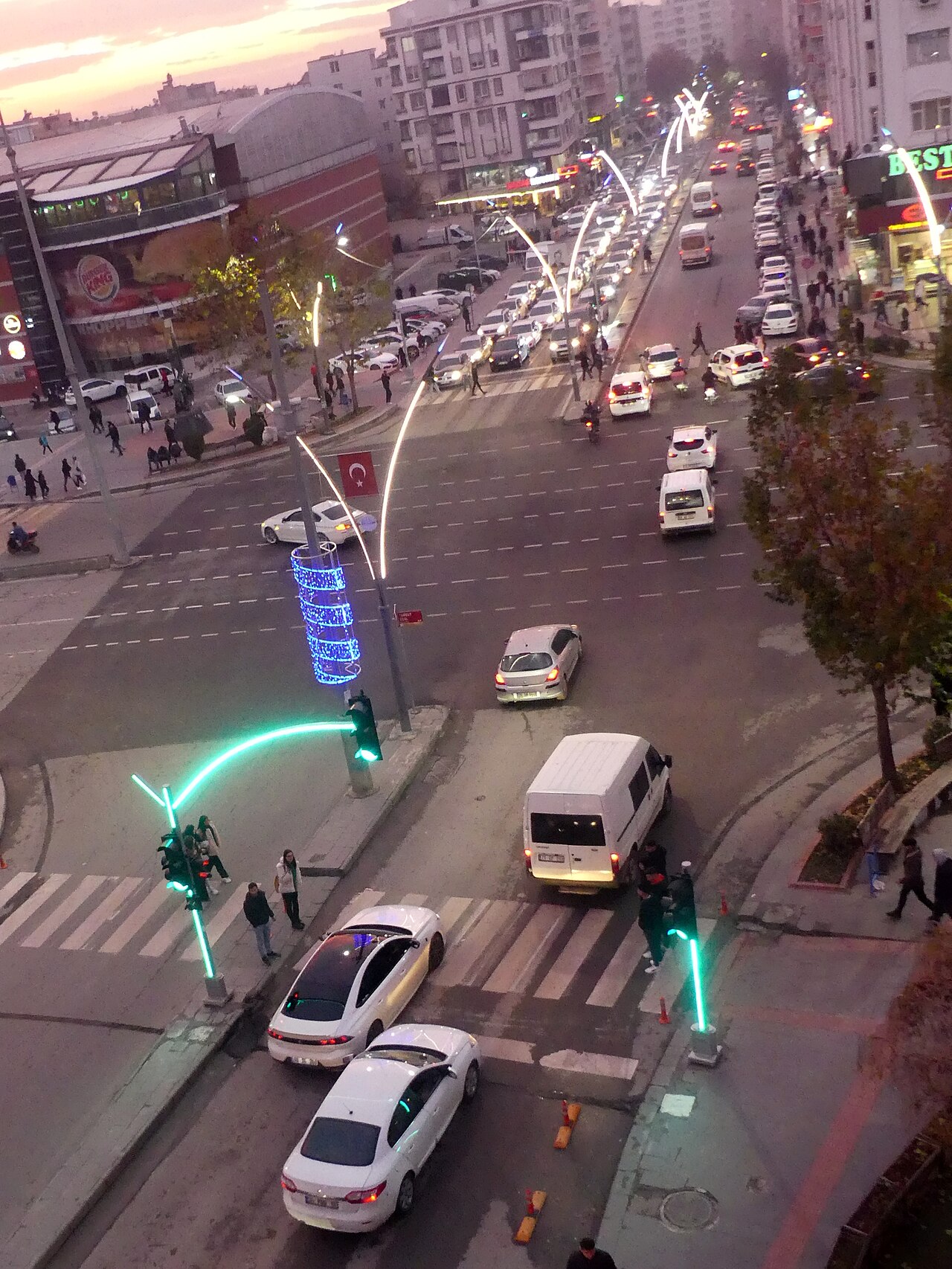
A city’s streetscape is a shared asset that nobody owns end to end. Signs belong to one department, lighting to another, street trees to a third, pavement and kerbs to a fourth — and each keeps its own partial, ageing records. When they disagree, the field crew finds out the hard way.
A smart-city digital twin fixes that by giving every department one current, queryable picture of the same streetscape — built from a single drive rather than a dozen separate surveys.
One 360° pass captures everything on every side of the vehicle at once. The AI detection step turns it into a typed inventory — signs, lights, street furniture, trees, markings — written 1:1 into the GIS feature classes each department already uses. No replatform, no proprietary reader: the measurable scene streams to a browser, so a planner, an arborist and a maintenance lead can all open the same link.
What it unlocks:
- A shared source of truth across departments, instead of conflicting silos.
- Current data — a periodic drive plus automatic change detection keeps the twin matching the street.
- Queryable inventories — “show me every damaged sign on this corridor,” answered in seconds, not weeks.
- Street-tree and canopy records that feed vegetation and clearance management.
It’s the same engine that gives utilities a grid twin and transport authorities a corridor inventory — three industries, one always-current twin.
Talk to us about a streetscape capture for your city.