
Unequal-gauge wire splicing: a hidden risk in utility networks
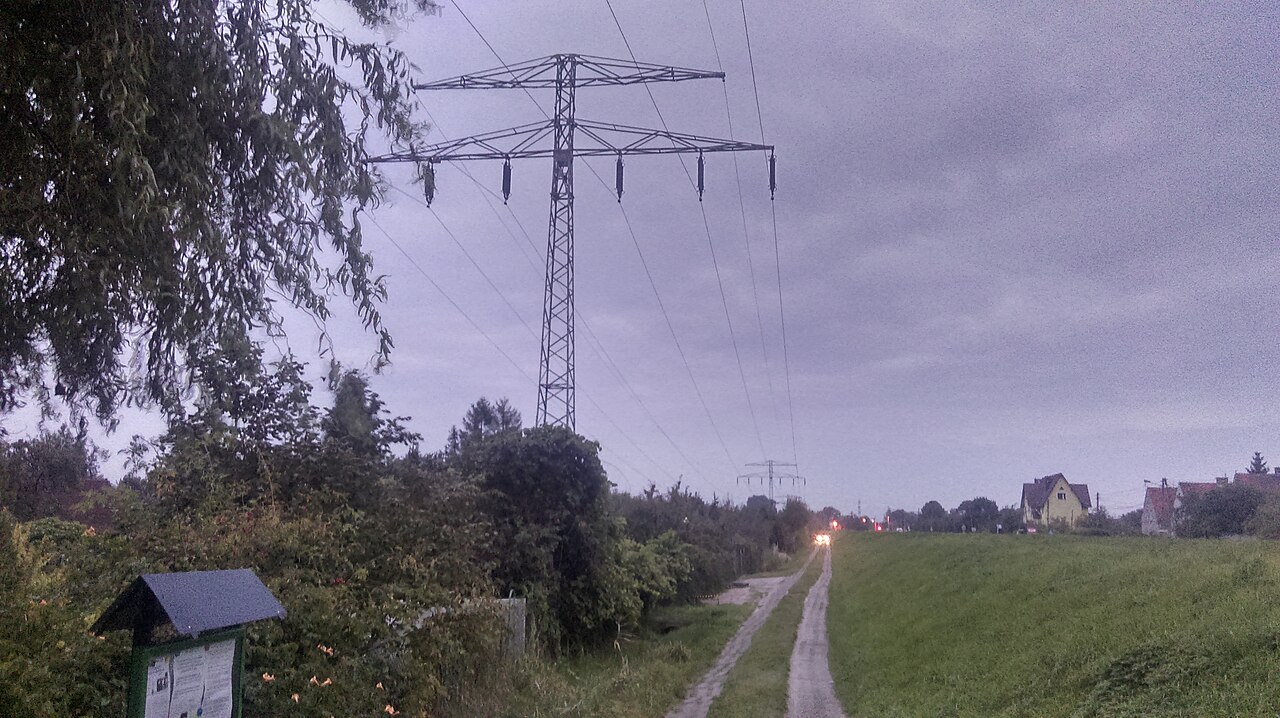
In electrical distribution, splicing conductors of different gauges is a serious and frequently overlooked hazard. Where a heavier conductor meets a lighter one, the smaller wire becomes a thermal bottleneck: it carries the same current but cannot dissipate the heat, creating a hotspot that degrades the connector and the insulation around it. Over years of load cycling, that hotspot becomes a fire, an outage, or both.
Why the mismatch hides
Industry experience suggests a meaningful share of splice failures involve gauge mismatches, with damages running into the hundreds of thousands of dollars per fire-related incident. The worst part is the timeline: these joints can hold for one to twenty years before failing, with most failures clustering a decade or more after install — long after the crew that made the splice has moved on.
The deeper problem is that the records often don’t capture it. As-built drawings show a span as a single conductor type; field reality is a patchwork of repairs, temporary fixes, and emergency reconductoring done under storm conditions. Each undocumented splice is a latent defect the network operator can’t see, plan around, or prioritize. You cannot inspect for a risk your system of record doesn’t know exists.
A current, field-accurate inventory closes the gap
This is exactly where an always-current digital twin earns its keep. A single drive-by pass with a 360° camera and multi-band GPS produces immersive video, a measurable georeferenced point cloud, and an AI-detected asset inventory of poles, crossarms, and conductors — written straight into your GIS.
Because every observation is timestamped and georeferenced, the twin doesn’t just show what’s there; it shows where the network differs from the as-built. Re-drive a corridor and automatic change detection flags the spans where conductor diameter, sag, or attachment height shifted between passes — the visual fingerprints of an undocumented splice or repair. Field crews then chase a short, ranked list instead of patrolling blind.
For an asset operator, this is the difference between reactive emergency repair and planned, risk-based maintenance. It also depends on one thing being true: that the map matches the metal. As we’ve argued in why GIS accuracy matters, a stale landbase silently undermines every downstream decision. A drive-derived utilities and telco twin keeps the record honest.
See the deliverables in our video gallery, explore use cases across our industries, or contact us to map a pilot corridor. As networks age, splice integrity belongs at the top of the list — and it starts with knowing where the splices actually are.