
Call before you dig: damage prevention on a spatially-accurate digital twin
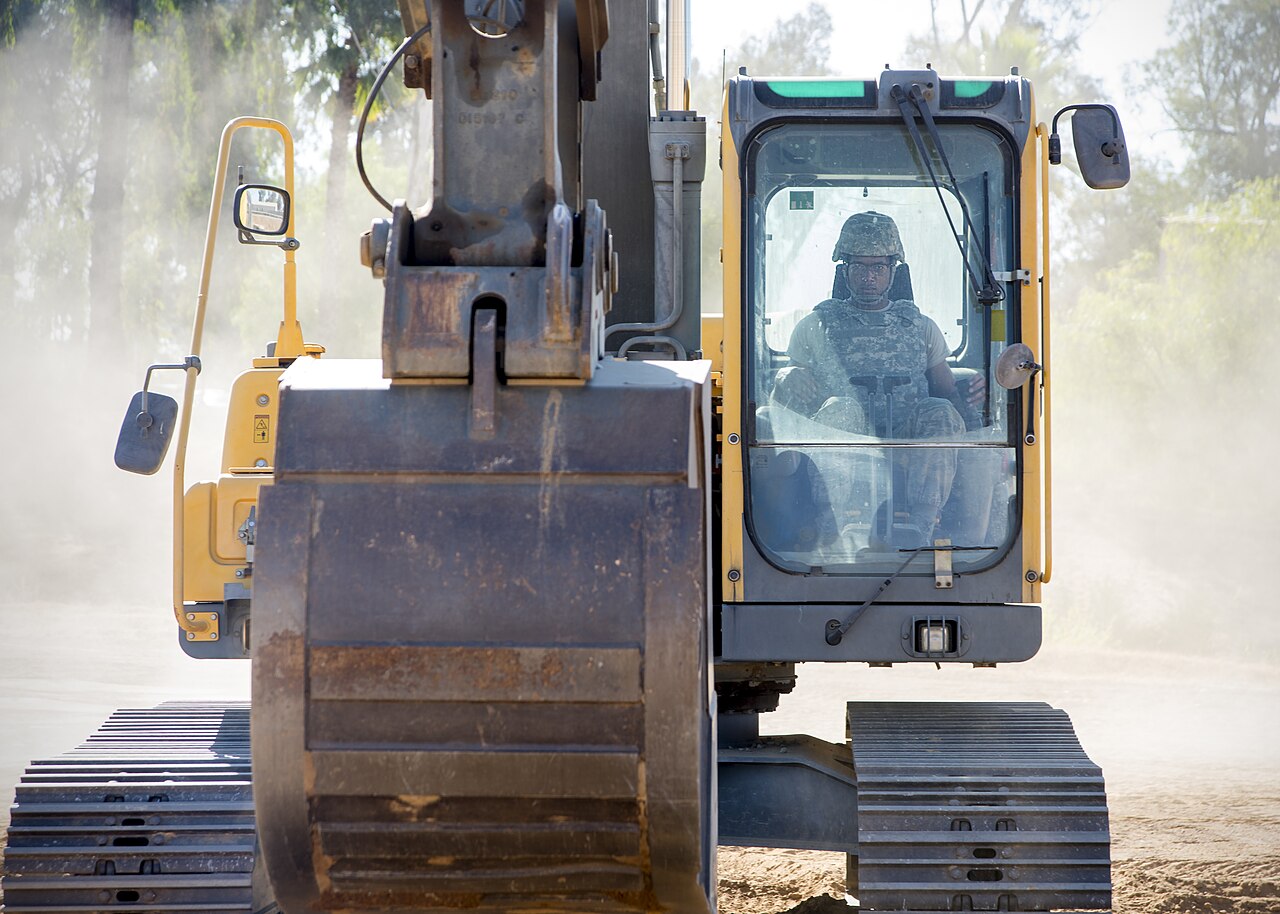
Every dig is a gamble against the record. “Call before you dig” — the 811 process in the US — exists because striking a buried utility is one of the most dangerous, expensive things that happens on a job site. And the whole system rests on one fragile assumption: that the records are accurate.
Often they aren’t. Underground records were captured decades ago, in coordinate frames that drifted, with as-builts that never quite matched what got installed. A locate is only as good as the data behind it — and when the data is off by a metre, the paint on the ground is off by a metre too.
The fix has two halves, and a digital twin connects them:
1. Get the surface twin spatially accurate. A drive-by capture builds a survey-grade, georeferenced model of the visible world — kerbs, poles, pads, access points — that anchors everything else to real-world coordinates. Rigorous conflation then pulls the drifting utility landbase onto that accurate frame, so the records finally line up with reality.
2. Put it in the crew’s hands — in augmented reality. Once the network lives in a spatially-accurate digital twin, a field crew can stand at the site and see the assets overlaid in place through a phone or tablet — the buried line, the nearby transformer, the measured clearances — registered to the real world rather than guessed from a paper map. Augmented reality only works if the underlying model is genuinely georeferenced; a pretty 3D scene in the wrong place is worse than no scene at all.
The result is damage prevention that’s grounded in measurement: locates anchored to an accurate twin, an AR field view that shows where things really are, and repeat drives that keep the surface model current as the streetscape changes.
It’s the same accuracy that utilities, cities and transport authorities rely on — applied to the most unforgiving question there is: what’s under the ground before the excavator moves? See where it fits across the industries we serve, or talk to us.