
ADMS data readiness: is your GIS good enough to run the grid?
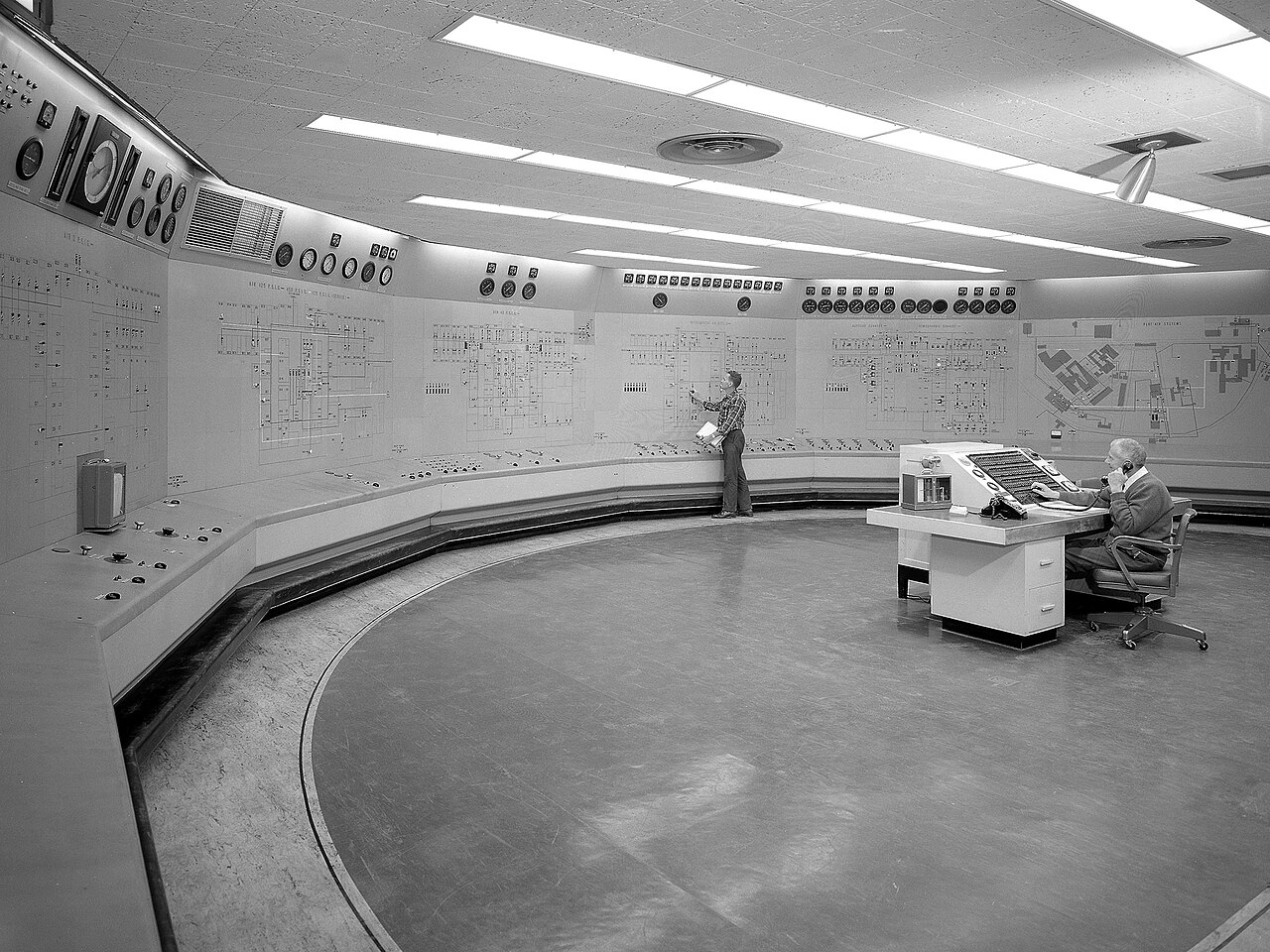
An Advanced Distribution Management System promises a lot: real-time power-flow, fault location, automated switching, and the coordination a two-way grid full of distributed resources demands. But an ADMS doesn’t model the grid from nothing — it ingests your GIS network model. And that’s where most ADMS programmes stall.
The hard truth: an ADMS is only as good as the data you feed it. Its analytics assume the connectivity model is correct — every phase, every switch state, every transformer in the right place, electrically connected to the right things. When the GIS has the usual real-world problems, the ADMS inherits all of them:
- Connectivity errors — a feeder that looks connected on the map but isn’t, or vice versa — break power-flow and switching analysis outright.
- Positional drift — assets metres from where they actually are — undermines fault location and crew dispatch.
- Missing or wrong attributes — phase, conductor type, ratings — produce confident, wrong answers.
“Data readiness” is the unglamorous work of getting the model clean, connected, and accurate before go-live — and it’s where ADMS timelines and budgets are won or lost.
A survey-grade digital twin attacks the spatial half of readiness directly:
- A drive-by capture gives you the real positions and configuration of the distribution plant, measurable and georeferenced.
- AI feature detection reconciles what’s on the ground against what’s in the GIS, surfacing missing and mislocated assets.
- Rigorous spatial conflation pulls a drifting legacy landbase onto the truth — the same accuracy that a grid-modernization rate case depends on.
- Repeat drives keep the model current after go-live, so the ADMS doesn’t decay back toward fiction.
Get the spatial model right and the ADMS does what the brochure promised. Skip it, and you’ve automated decisions on data nobody trusts.
For utilities and telcos, data readiness is the difference between an ADMS that runs the grid and one that fights it. See where it fits across the industries we serve, or talk to us about getting your network model ADMS-ready.