
DER integration starts with the map: hosting-capacity analysis needs an accurate network model
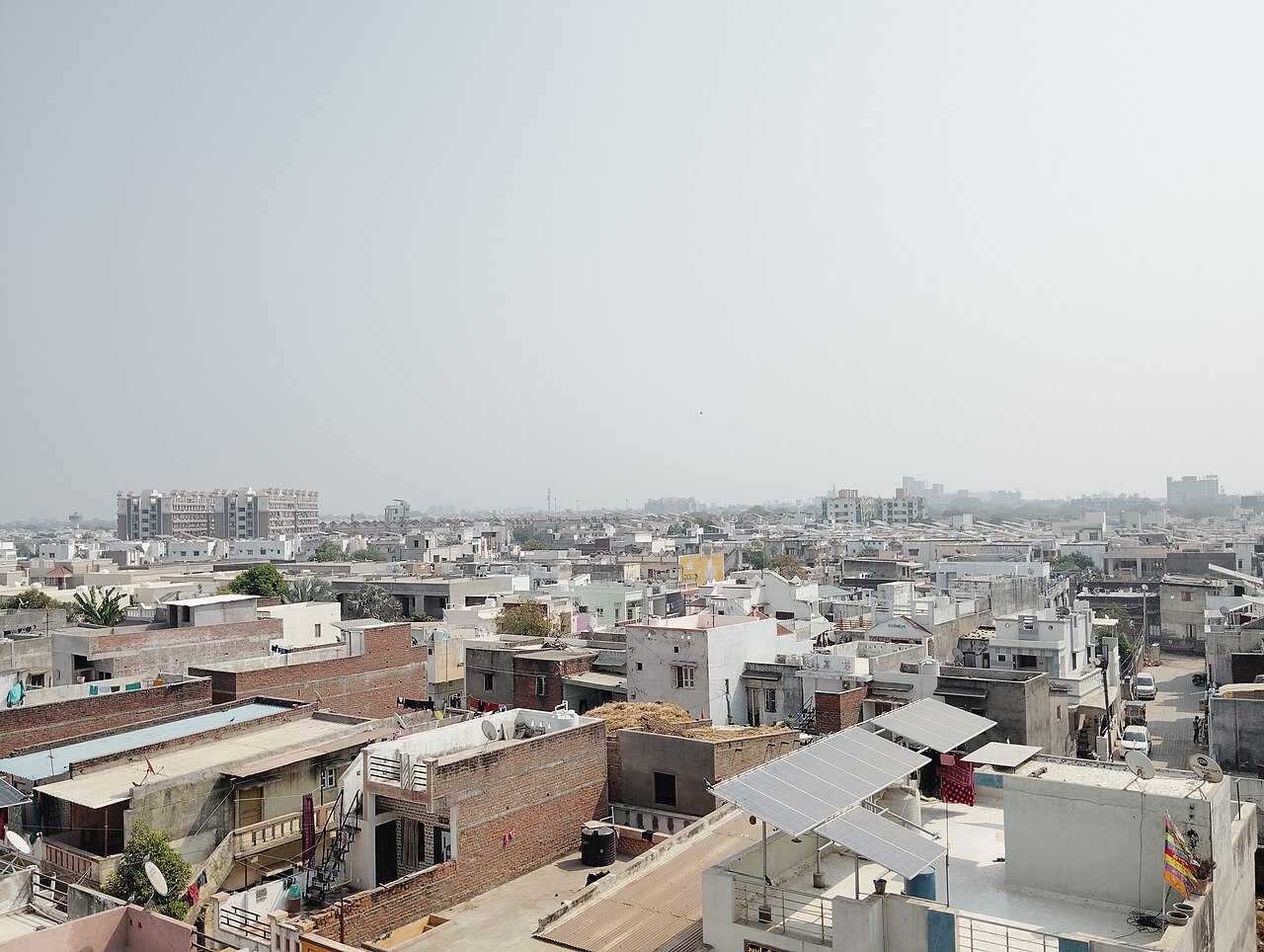
What began as scattered rooftop solar has become millions of customer-owned generation, storage and controllable-load devices reshaping the grid. California alone has over 1.5 million solar installations; nationwide residential solar has passed 30 gigawatts, with EV charging close behind. Each device is both a grid asset and a grid challenge.
The hard part is that distributed energy resources are distributed and uncoordinated. A utility can wake up to find a neighbourhood quietly added thousands of solar systems over a year — turning a circuit designed decades ago for one-way power flow into one with bidirectional flows, midday voltage rise, and sudden ramps as clouds pass and EVs plug in at dusk.
To manage that, utilities run hosting-capacity analysis: how much DER can a given circuit absorb before voltage or thermal limits are breached? And here’s the catch every planner knows — hosting-capacity analysis is only as good as the network model it runs on. Wrong conductor lengths, missing phases, mis-located transformers, a connectivity model that drifted from reality: garbage in, confident-but-wrong answer out.
That makes an accurate, current network model the prerequisite for DER integration, not an afterthought:
- A drive-by capture records the real positions and configuration of the distribution plant — poles, transformers, conductors — as measurable, georeferenced data.
- AI feature detection writes those assets into your GIS as typed records, so the model reflects the field.
- Rigorous spatial conflation pulls a drifting legacy landbase onto the truth, fixing the positional errors that quietly break power-flow studies.
- Repeat drives keep pace with a network that changes monthly.
Accurate spatial data won’t size an inverter for you — but without it, every DER study, grid-modernization case and ADMS deployment inherits the same bad foundation.
For utilities and telcos, the path to a manageable distributed grid runs through a network model you can trust. See where it fits across the industries we serve, or talk to us about getting your model field-accurate.